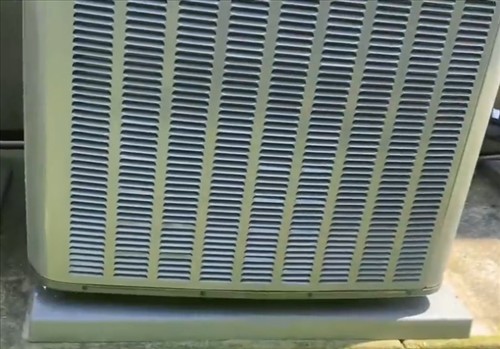
Your AC system is brand new, but your house still feels like a swamp. The temperature drops when the system runs, but the air stays sticky and uncomfortable.
This is one of the most frustrating problems homeowners face with central air conditioning. The system is technically working, but something is clearly wrong.
This includes mini splits, split systems, and packaged units.
First – Check the Indoor Air Filter
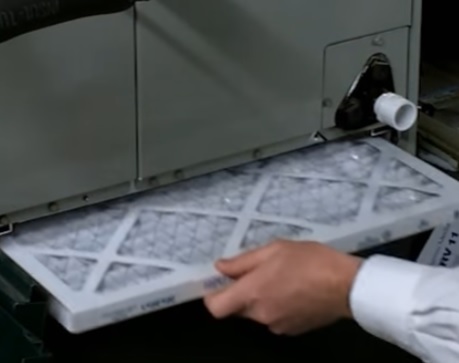
While several things can cause the HVAC system to have a high humidity issue, the first thing to do is check the indoor unit air filter.
A dirty air filter will stop the air from flowing through the system and cause problems.
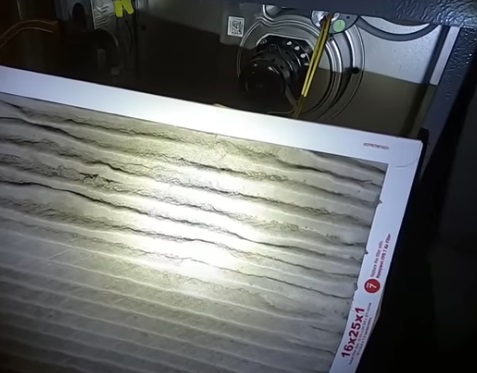
When a dirty filter is not replaced, dirt and debris can also start to clog the indoor coil, which requires it to be cleaned.
This is a common issue and a simple fix that almost anyone can do.
What Causes Poor Dehumidification in AC Systems?
Air conditioning systems cool and dehumidify at the same time. When the system cools properly but doesn’t remove humidity, there’s usually a problem with the refrigerant charge, the metering device, or airflow across the indoor coil.
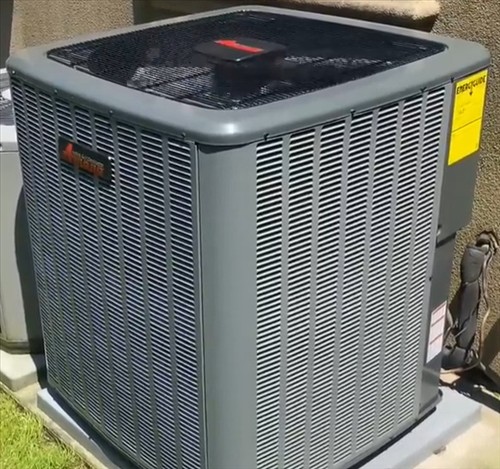
In this case, a homeowner had their outdoor condensing unit replaced in May with a new Amana 3-ton unit. The old American Standard unit had refrigerant leaks and needed constant refilling every two weeks. But after the replacement, the humidity problem got worse.
The Problem With Replacing Only Half a System
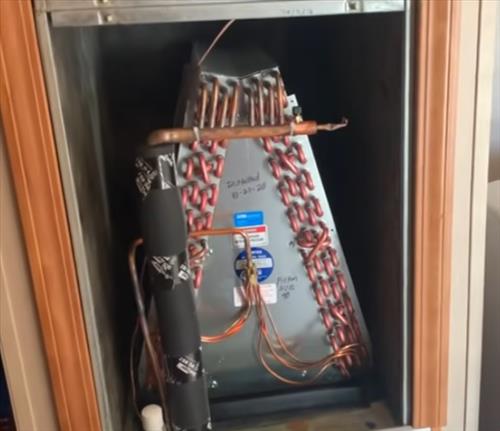
The homeowner replaced just the outdoor unit while keeping the old indoor air handler. This is essentially band-aiding a system together.
When you mix old and new components, you can run into compatibility issues with the metering device inside the air handler. The TXV (thermostatic expansion valve) or fixed orifice that regulates refrigerant flow was designed for the old system, not the new one.
What the Measurements Showed
The system showed 15 degrees of subcooling and 26 degrees of superheat. For a system with a TXV, the manual called for 10 degrees of subcooling.
That 5-degree difference indicates the system was overcharged with refrigerant. When a system is overcharged, it short cycles and doesn’t run long enough to properly remove humidity from the air.
How to Fix an Overcharged AC System
The fix involved recovering refrigerant from the system. About 0.9 pounds of refrigerant was removed using a recovery tank.
After removing the excess refrigerant, the subcooling dropped to 9-12 degrees, which is within the proper range.
Why Results Will Take Time
You won’t see humidity improvements immediately after adjusting the refrigerant charge. It takes days for the system to properly condition the space and for building materials to release absorbed moisture.
This is why homeowners often think the initial service call didn’t fix anything. The technician needs to verify measurements are correct, then give the system time to work.
The Deeper Problem That Got Uncovered
The humidity measurements at the supply diffusers were still higher than they should be even after correcting the refrigerant charge. Upstairs humidity was 123% higher than downstairs.
A closer inspection of the attic air handler revealed a dirty filter and a dirty evaporator coil. This was the real culprit.
Restricted airflow across the coil prevents proper heat exchange and stops humidity removal. The problem existed before the outdoor unit was replaced with the new unit amplifying the existing condition.
Common AC Installation and Service Mistakes
The original installing contractor didn’t properly commission the system. A proper commissioning includes checking relative humidity, wet bulb temperatures, dry bulb temperatures, and analyzing the air condition at both the return and supply sides.
Keep in mind that thermostat placement also matters. If your thermostat is in a bedroom with no return air grille, it’s reading the temperature of stagnant air, not the air that’s actually circulating through the system.
Can You Mix and Match AC Components?
You can install a new outdoor unit with an old indoor unit, but it’s not ideal. The system will work, but you’re likely to run into issues like this one.
Different manufacturers use different refrigerants, different expansion devices, and different coil designs. What works for one system may not work for another.
How Much Refrigerant Should Be Removed?
There’s no universal answer. It depends on what the manufacturer’s specifications call for and what the actual measurements show.
In this case, removing 0.9 pounds brought the subcooling from 15 degrees down to the 9-12 degree range. A good technician doesn’t guess. They measure, compare to specs, and adjust accordingly.
Summary
High humidity despite a new AC unit usually comes down to three issues: incorrect refrigerant charge, problems with the expansion valve or metering device, or restricted airflow.
This system had all three. The refrigerant was overcharged by nearly a pound. The expansion valve was potentially mismatched since the outdoor unit was replaced but the indoor unit wasn’t. And the indoor coil and filter were dirty, restricting airflow.
Fixing the refrigerant charge was the first step. Cleaning the coil and filter was the second. Both were necessary to solve the humidity problem.
When a contractor says “everything is fine” but your house still feels humid, the system isn’t properly commissioned. Proper measurements and follow-up are essential, especially with mixed system components.
The lesson here is that AC problems often have multiple contributing factors. Finding them requires methodical diagnosis and being observant of everything from pressure readings to supply air conditions to basic maintenance issues.
Have you dealt with humidity issues after an AC installation or replacement? Let us know what the problem turned out to be below.